


Summary: Good recruitment creative goes beyond aesthetics — it evokes emotion, drives action, and is grounded in deep audience research. In this Inside the Studio conversation, Symphony Talent's Art Director Nathan explores what separates creative that truly performs from work that simply looks good, covering everything from brand consistency and bold thinking to the power of diverse perspectives.
Great recruitment creative should do more than grab attention. It should create connection, spark emotion, and give people a reason to act.
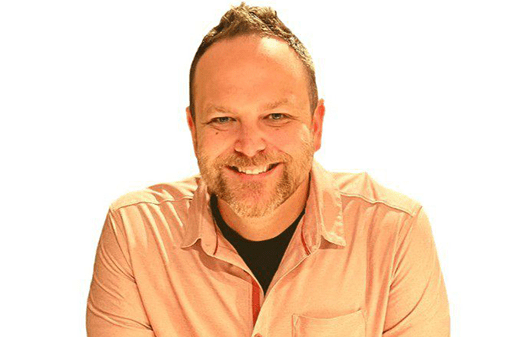
In this conversation, Symphony Talent’s Senior Director Anna Ford chats with Nath, Art Director, about what separates creative that performs, from work that simply looks good. Together, they explore the importance of understanding your audience, balancing bold ideas with brand consistency, and why authenticity and diverse perspectives are often what elevate creative from good to genuinely memorable.
Anna: When we're thinking about good creative in recruitment, what do you think we're actually talking about? What's the difference between good creative versus just nice-looking?
Nathan: For me, and this is personal, I think it’s creative that evokes emotion. Anyone can paint a pretty picture, but if there's no soul or substance behind it, if it's not saying anything, then it only takes you so far. Good recruitment creative changes behavior. That’s the key thing.
Anna: Do you think that recruitment creative has to work even harder than product creative? Are the stakes higher?
Nathan: I try to think about it like we're aiding decisions tied to someone’s life and their future. The creative output aims to influence their behavior or views. And those are big decisions. It takes a lot to motivate someone to action when it can have such huge implications.
Creativity is subjective
Nathan: Creativity is subjective. Not just in recruitment — everywhere. Part of the challenge as a designer is detaching one's personal feelings from the work. You might feel strongly about something, but you're creating work aligned to a brief from a client, for a specific target audience. And that matters way more than your own personal feelings about it. You have to ask yourself: Is it going to do the job?
Anna: Do you think that’s a danger? That people aren't putting themselves in the candidate’s position?
Nathan: I think it actually comes down to understanding your audience and understanding what their needs are above your own personal feelings and what you think is right.
Tailoring recruitment creative for different audiences
Anna: How should teams think about tailoring creative for different audiences?
Nathan: A lot of it boils down to research, which is something we really value at Symphony Talent. It’s about truly understanding the audience; what they need, what speaks to them, what issues they’ve had. And tailoring the creative to address those things.
That also means understanding the channels you’re using. So maybe LinkedIn for more professional audiences, TikTok for younger audiences — that kind of choice.
Most people understand it at a surface level. But the underlying research is the really important bit. That’s what tells you what you’re doing and why, and it gives you the benchmarks to say whether you’re doing it well.
Anna: Is it fair to say that the first thing you do is seek to understand what motivates people?
Nathan: Absolutely. I want to understand them. If I can’t speak to them emotionally or create some kind of connection, then the creative is at risk of not performing.
Keeping it consistent
Anna: If you’ve got multiple campaigns for different talent groups under one brand, how do you make sure the campaign creative still feels consistent?
Nathan: That comes back to working within the brand guidelines. Making sure the visual treatments are consistent. Making sure the messaging is consistent in its structure and architecture – including the employer value proposition (or EVP).
Anna: As an Art Director who has worked with a lot of clients, you have a real skill in being a guardian of the brand guidelines, but still pushing a client creatively. How important is it to bring things to life in a new way while still working within the rules?
Nathan: That’s a skill in itself, being able to push the creative in a way that still conforms to the rules.
Because ultimately, that’s what a lot of the job is. I’m not just creating freely in a vacuum. I’m working within a framework, but still trying to find something fresh within it.
I’m always aware of playing it too safe. There's a danger of everything starting to look generic. That feeling that you're seeing the same methods over and over again. We're very aware of that.
Anna: On the flip side, do you think that high-performing creatives tend to be bolder? More ownable?
Nathan: You do need to be willing to take risks in order to create bold work. But obviously, there’s a fine line. You don’t want to be too risk-averse, but you also don’t want to go too far the other way. It is about risk management.
How important is authenticity?
Nathan: In some ways, it's about giving the power back to the people. Authenticity helps build a connection between the audience and the organization. No one likes anything that feels too artificial or staged.
Anna: When clients don’t have the budget for authentic shoots, is there still a way to create that feeling of authenticity?
Nathan: It's about the whole delivery. An authentic message comes out in different ways. The research, the thinking, and how you deliver that message matter. This is where having a great team really makes a difference: the copywriters, the researchers, the project managers, the client account managers. I have a huge appreciation for everything my team does.
The starting point for recruitment creative built to perform
Anna: If an organization wanted to improve its recruitment creative tomorrow, what’s the one thing you’d tell them to focus on?
Nathan: The diversity of a team. Getting different perspectives will help elevate the final output.
At Symphony Talent, we've got such a diverse mix of people across the company that we can rely on and speak to, understanding different ways of thinking and giving us a much wider perspective. It's those different views that can work together to produce amazing work. The best work comes when you have people with strong views, discussing and developing something better together.
Want to learn more from Inside the Studio? Check out “Turning Experiential Moments Into Memories.”